In the early 1600s, the island became infamous as the site of a leper hospital. Those diagnosed with leprosy, a feared and misunderstood disease at the time, were sent here to live out the remainder of their lives – far removed from the mainland.
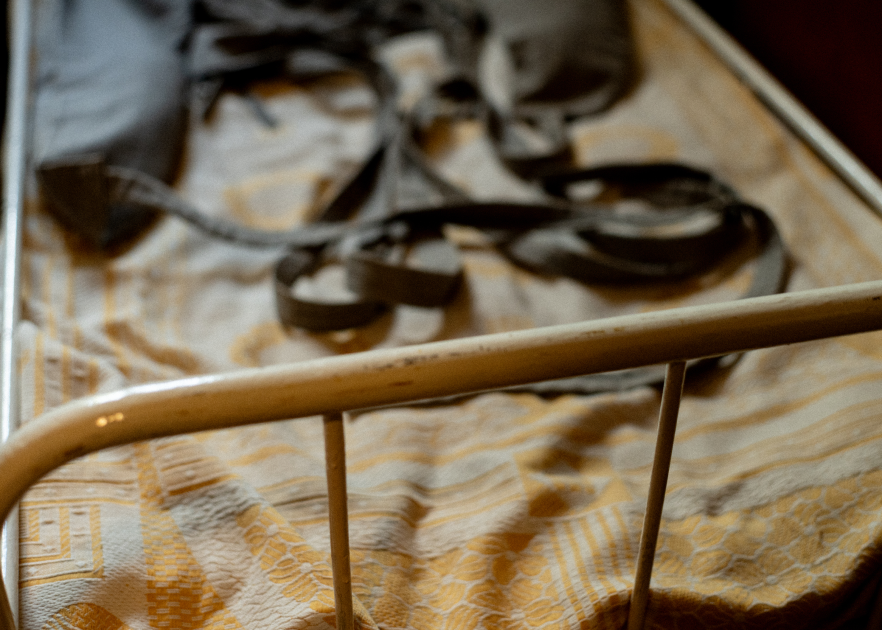
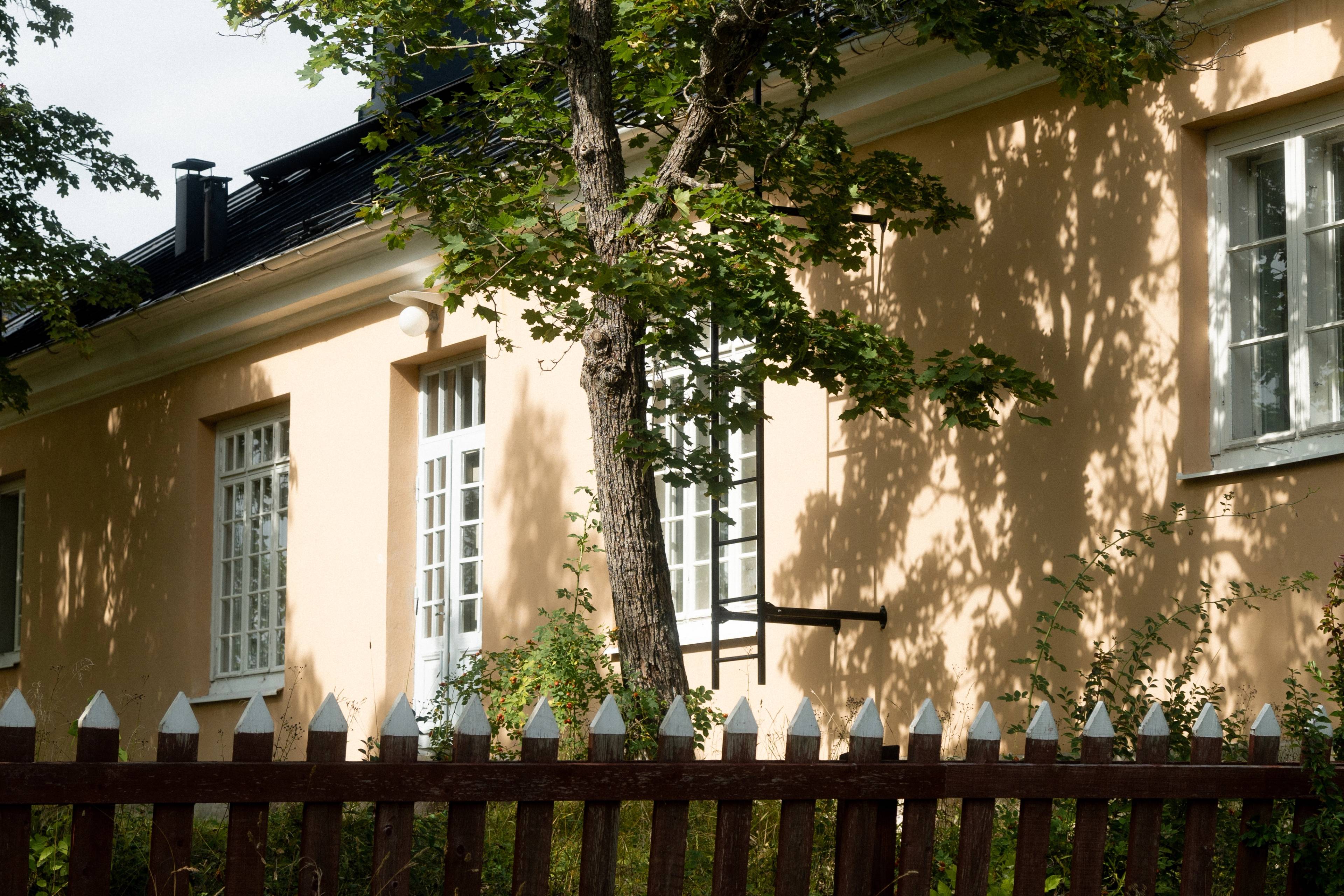
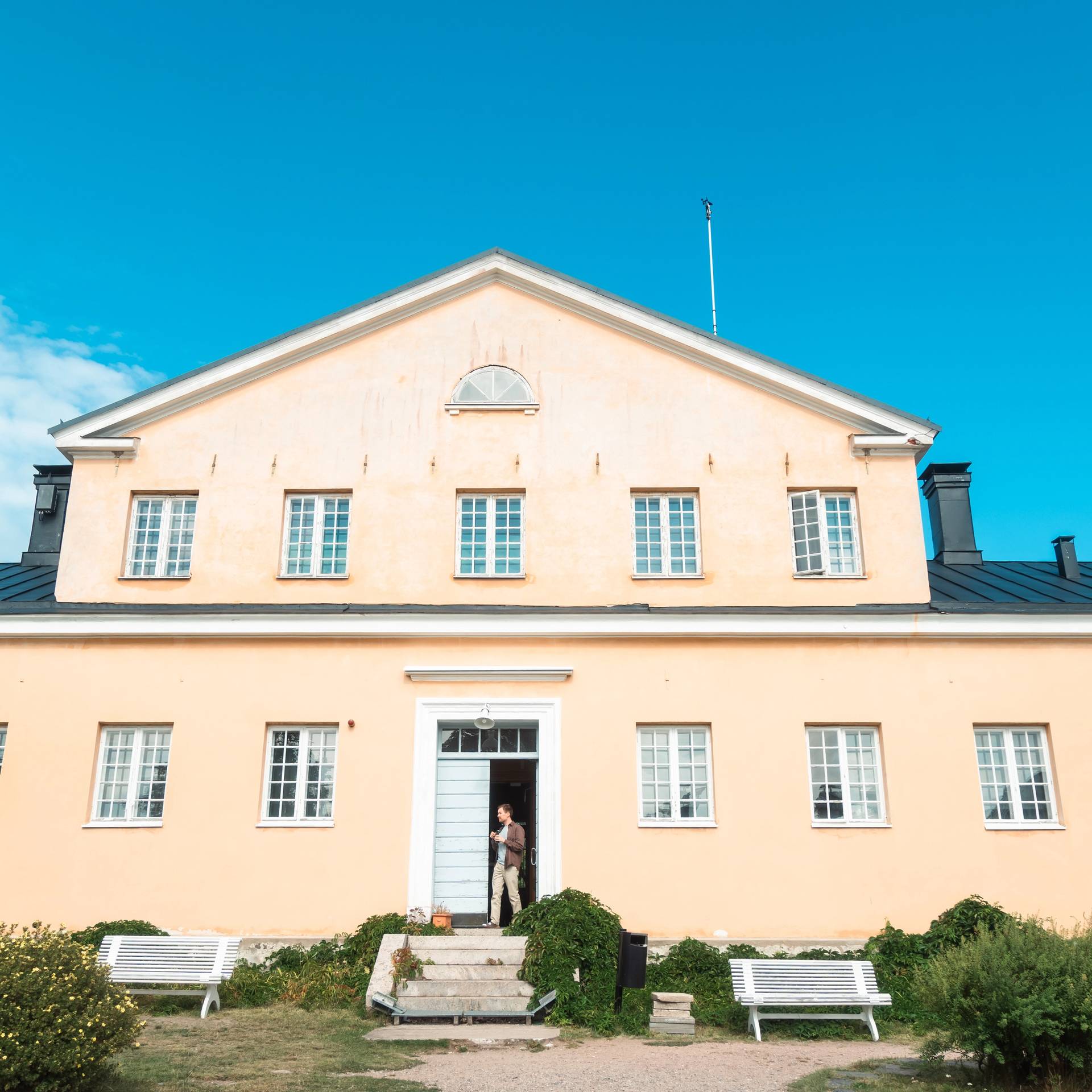
By the 18th century, the hospital was repurposed as a mental asylum. The isolated island provided a secluded environment for those deemed unfit for society. The hospital operated until 1962.
Seili is an adored visiting spot to study not only its complicated history – but its stories of the authentic, ever-changing nature of Saaristo.

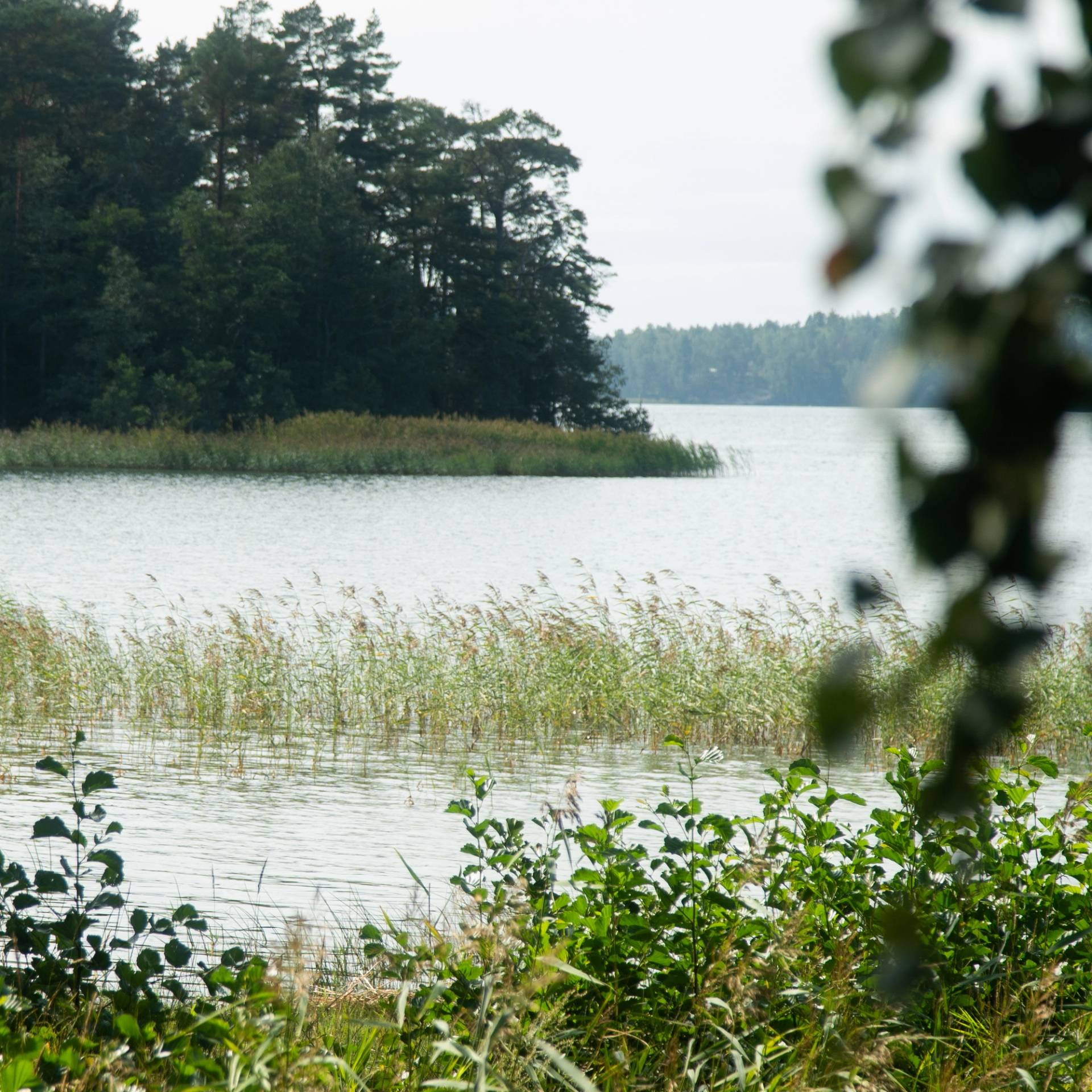
Birds sing in the trees, and the warm sunlight filters through birches and lindens, casting a golden glow over the old wooden buildings – some of which have stood here for centuries.

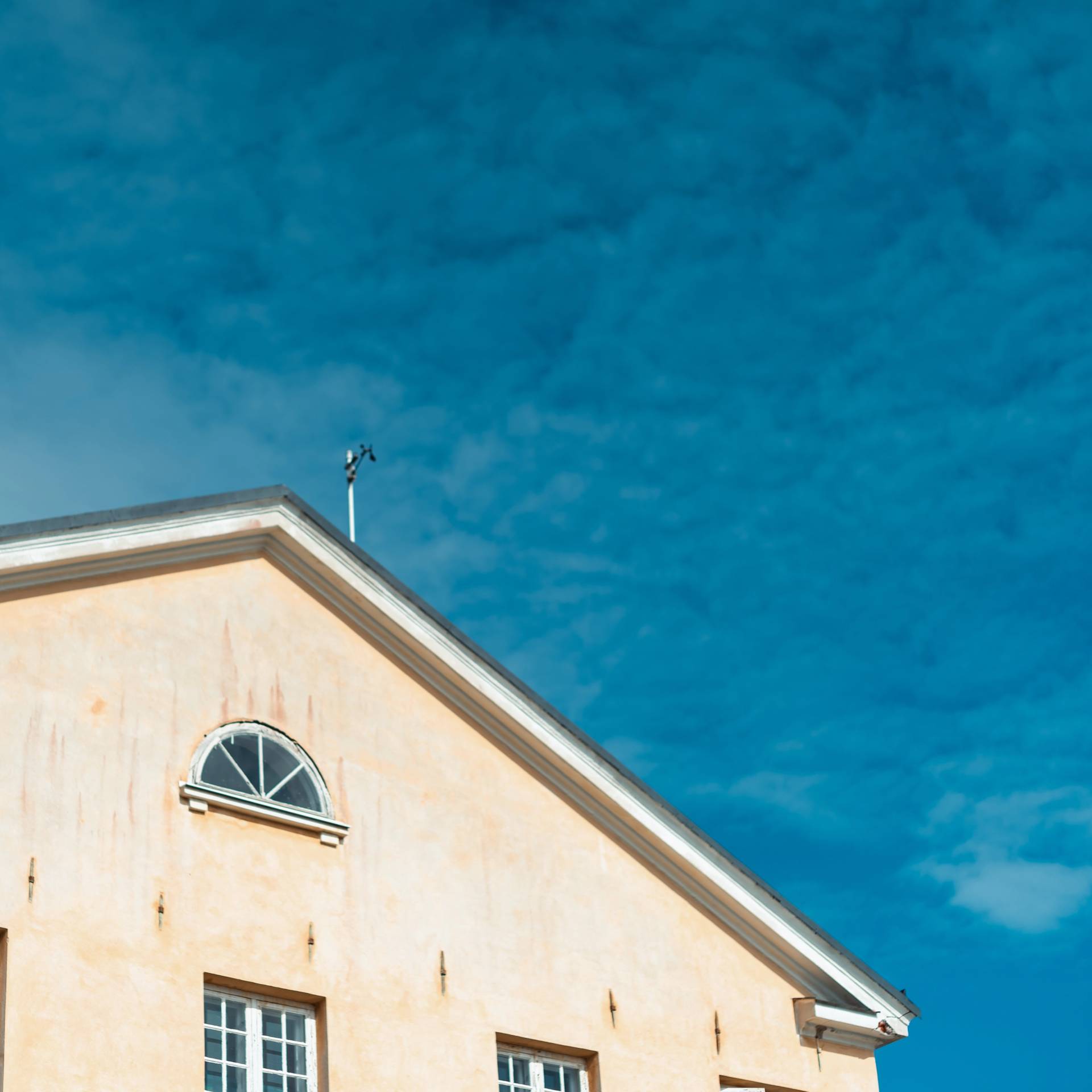
For many, the journey to Seili was one-way; patients were expected to bring their coffin, a poignant symbol of the island’s role as a place of last resort.

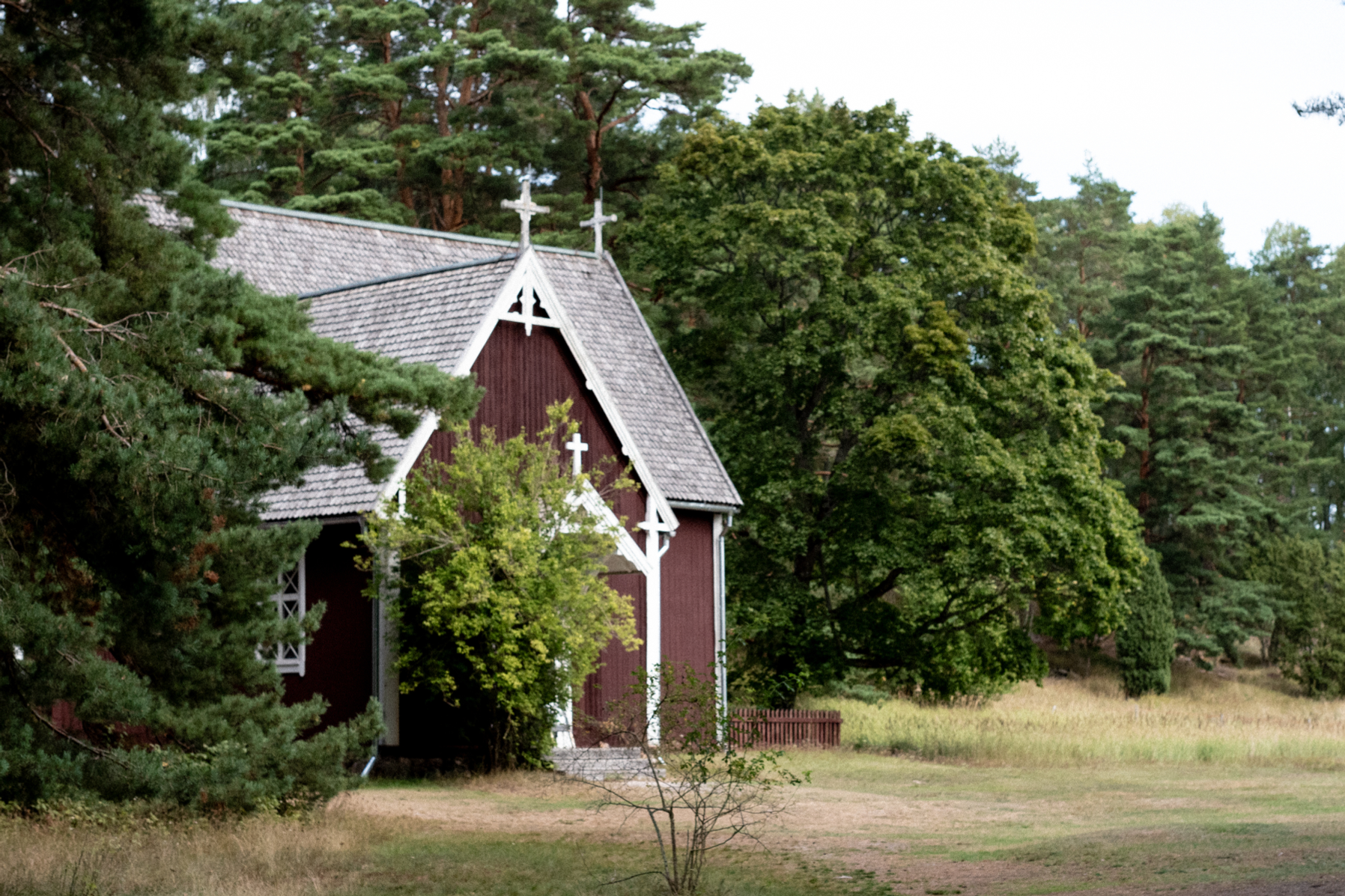
The wooden church, built in 1733, stands as a silent witness to the island’s history, its walls telling visitors stories of the people who once lived here.

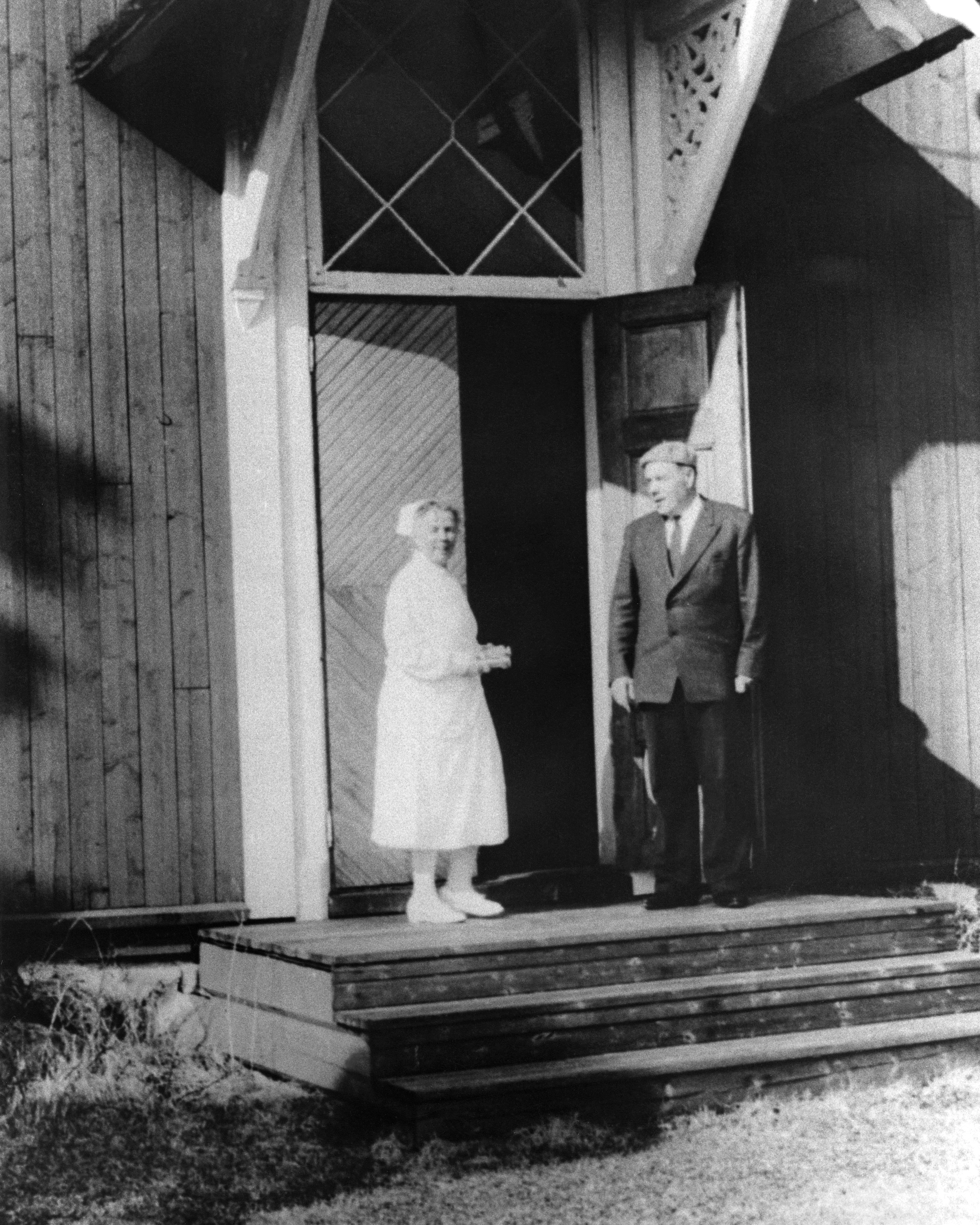
©© Photo by Matti Haltia, University of Turku archive